Transforming Your Welding Projects with Ceramic Backing Tape
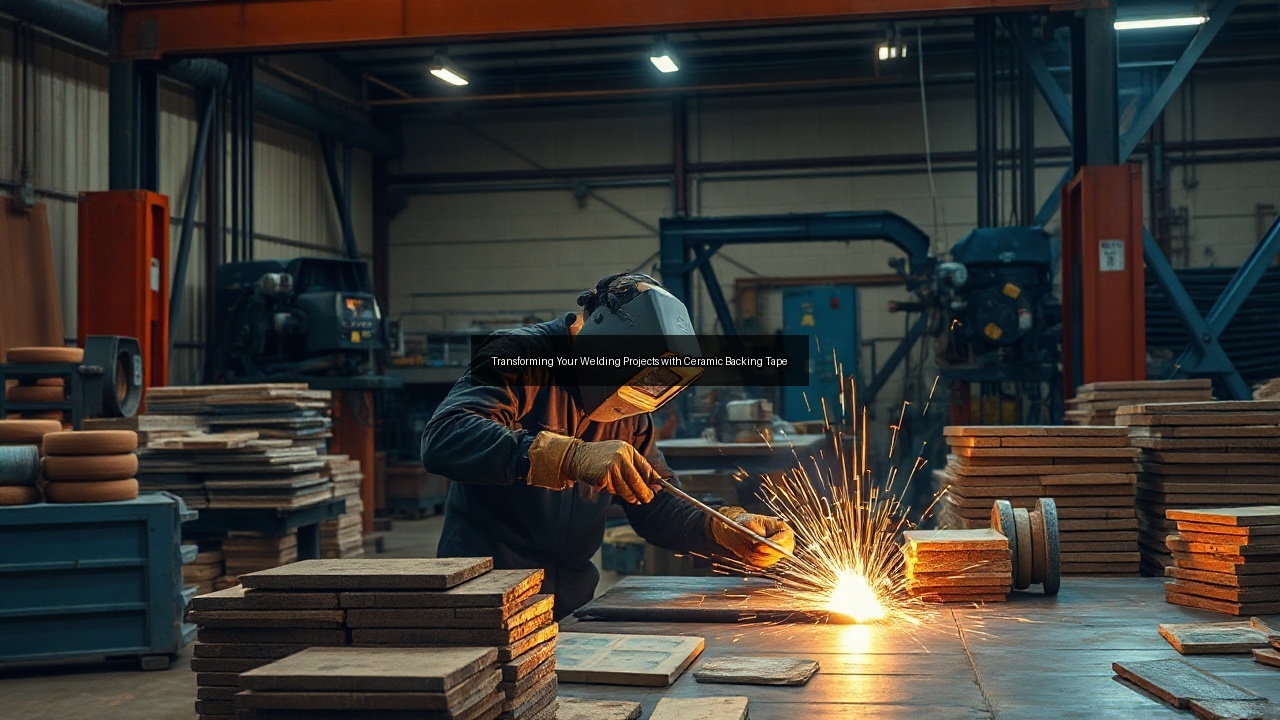
Understanding Ceramic Weld Backing
What is Ceramic Weld Backing?
Ceramic weld backing refers to a specialized material used in the welding process, providing support and protection to the weld joint. This tape is typically made from high-temperature ceramics and is designed to withstand the intense heat generated during welding operations. Ceramic weld backing serves as a barrier to prevent molten metal from flowing into undesirable areas, ensuring clean and precise welds. It is particularly beneficial in applications such as TIG welding, where control over the weld pool is critical. The unique structure of ceramic materials allows for excellent thermal insulation, making them a preferred choice for many professional welders.
The Role of Ceramic in Welding Projects
Ceramic materials play a vital role in enhancing the quality and efficiency of welding projects. They provide a stable surface that supports the molten weld pool, reducing the risk of defects like undercuts or excessive spatter. By promoting a smooth and even flow of the weld metal, ceramics help achieve stronger joints and better fusion between metals. Additionally, ceramic weld backing can withstand the extreme temperatures associated with welding, ensuring durability and longevity. This makes them particularly useful in heavy-duty applications where the integrity of the weld is paramount. In summary, ceramic weld backing not only enhances weld quality but also improves the overall process efficiency.
Advantages of Using Ceramic Backing Tape
Utilizing ceramic backing tape in welding offers numerous advantages. First, it significantly reduces cleanup time after the welding process, as it minimizes spatter and slag formation. This leads to a cleaner work environment and less post-weld processing. Second, ceramic backing provides excellent thermal stability, allowing welders to maintain consistent temperatures throughout the process. This consistency is crucial for achieving high-quality welds, especially in critical applications. Third, the use of ceramic materials enhances the strength and integrity of welds, making them more resistant to cracking and other forms of failure. Overall, these benefits position ceramic weld backing as an essential tool for any serious welder aiming for superior results.
Applications of Ceramic Backing in Welding
Ceramic Backing in TIG Welding
Ceramic backing is particularly effective in TIG welding, where precision and control are essential. In this process, the welder uses a tungsten electrode to produce the weld, and ceramic backing supports the weld pool, ensuring a clean and stable environment. The high melting point of ceramic materials prevents them from degrading during the weld, enabling welders to achieve deeper penetration and better fusion between metals. This is especially important when working with thin materials or intricate designs. Ceramic weld backing also helps reduce the need for excessive filler material, resulting in smoother, more aesthetically pleasing welds. For TIG welding applications, ceramic backing has become a go-to solution for professionals looking to elevate their work.
Using Ceramic Backing for Metal Fabrication
In metal fabrication, ceramic backing serves as a critical component in achieving high-quality welds. Fabricators often work with a variety of metals, including steel, aluminum, and stainless steel, and each material presents its own challenges during the welding process. Ceramic backing provides the necessary support to ensure proper heat distribution, allowing for smoother welds and reducing the risk of warping or distortion. Furthermore, the insulation properties of ceramics help maintain optimal temperatures, which is vital for achieving strong bonds. The versatility of ceramic weld backing makes it suitable for various fabrication projects, whether in automotive manufacturing, construction, or custom metalwork. By incorporating ceramic backing, fabricators can enhance the durability and performance of their welded joints.
Comparison of Ceramic Backing with Other Weld Backing Types
Ceramic backing stands out when compared to other weld backing types such as metal, foil, or fiber options. Metal backing, while offering durability, can conduct heat excessively, leading to warping and distortion in thin materials. Foil backings, though lightweight, often lack the thermal insulation properties of ceramics, which can compromise weld quality. Fiber backing provides some insulation but may not withstand the extreme temperatures experienced during welding. In contrast, ceramic backing combines heat resistance with structural integrity, providing a superior solution for welders. Its unique properties allow for better control over the weld pool and fewer defects, making it a preferred choice among professionals. When selecting a weld backing type, understanding these differences is crucial to achieving optimal results in any welding project.
Choosing the Right Ceramic Weld Backing for Your Project
Factors to Consider When Selecting Ceramic Backing Tape
Selecting the right ceramic weld backing tape involves several key factors. First, assess the type of welding process you plan to use, as different techniques may require specific backing characteristics. For instance, TIG welding often demands higher thermal resistance and stability, making ceramics a suitable choice. Next, consider the thickness of the materials you will be welding. Thicker materials may benefit from a more robust backing, whereas thinner ones may require a lighter option to avoid excessive heat buildup. Additionally, evaluate the size and shape of the weld joint; certain projects may necessitate custom-sized backing strips for optimal fit. Finally, look for reputable brands that provide detailed specifications on their products, ensuring you choose the best ceramic backing for your unique project demands.
Popular Brands: ESAB and Gullco International
When it comes to ceramic weld backing, two brands frequently praised for their quality and reliability are ESAB and Gullco International. ESAB, a leader in welding technology, offers a range of ceramic backing tapes designed to meet various welding needs. Their products are known for exceptional performance and durability, making them a favorite among professional welders. Gullco International also provides high-quality ceramic backing solutions, focusing on innovative designs that enhance welding efficiency. Their ceramic backing products are well-suited for both industrial and commercial applications, ensuring welders achieve the best results possible. By choosing products from these reputable brands, you can trust that you're investing in reliable ceramic weld backing that meets the demands of your projects.
Understanding Different Ceramic Materials and Their Properties
Various ceramic materials exhibit distinct properties that can influence the performance of weld backing. Common ceramics used in weld backing include alumina, zirconia, and clay-based options. Alumina is known for its high melting point and excellent thermal stability, making it ideal for demanding welding applications. Zirconia, on the other hand, offers superior strength and resistance to thermal shock, providing additional durability. Clay-based ceramics can also be effective but may have lower heat resistance compared to their alumina and zirconia counterparts. When selecting ceramic materials for weld backing, consider the specific requirements of your welding project, including temperature tolerance, strength, and compatibility with the metals being welded. Understanding these properties enables welders to make informed decisions, ensuring successful outcomes in their welding endeavors.
Best Practices for Using Ceramic Weld Backing
Preparing the Workpiece and Welding Rod
Proper preparation of both the workpiece and welding rod is essential for effective use of ceramic weld backing. Start by cleaning the surfaces of the metals to be welded, removing any contaminants such as oil, rust, or paint. This ensures optimal adhesion between the weld and the base materials. Next, ensure that the welding rod is also clean and free from impurities, as these can affect the quality of the weld. Depending on the project, preheating the workpiece may be necessary, particularly for thicker materials, to promote better fusion and reduce the risk of cracking. By taking these preparation steps, welders create an ideal environment for successful welding, maximizing the benefits of ceramic weld backing.
Techniques for Applying Ceramic Backing
Applying ceramic backing requires careful techniques to ensure effective results. Begin by measuring and cutting the ceramic backing tape to the appropriate size for your welding joint. Ensure a snug fit to prevent gaps that could lead to defects. Position the ceramic backing strip along the joint, securing it in place with appropriate adhesives or clamps if necessary. When starting the weld, maintain a consistent speed and angle to promote an even distribution of heat across the ceramic backing. Monitor the weld pool closely to ensure it remains within the confines of the backing. After welding, allow the ceramic backing to cool before removal to prevent any damage to the weld. Following these techniques helps achieve clean, strong welds with the aid of ceramic backing.
Safety Considerations When Welding with Ceramics
Safety remains paramount when welding with ceramic materials. First, always wear appropriate personal protective equipment (PPE), including gloves, helmets, and protective clothing, to shield against heat and sparks. Ceramic materials can also produce dust, so using a respirator or dust mask is advisable during preparation and application. Ensure proper ventilation in the workspace to minimize inhalation of potentially harmful particles. Familiarize yourself with the specific safety data sheets (SDS) for the ceramic products you are using, as they provide critical information on handling and potential hazards. By prioritizing safety practices, welders can effectively reduce risks while working with ceramic weld backing and achieve superior welding results.