Streamlining Production with Automated Thread Rolling Services
Understanding Thread Rolling Services
The Process of Thread Rolling
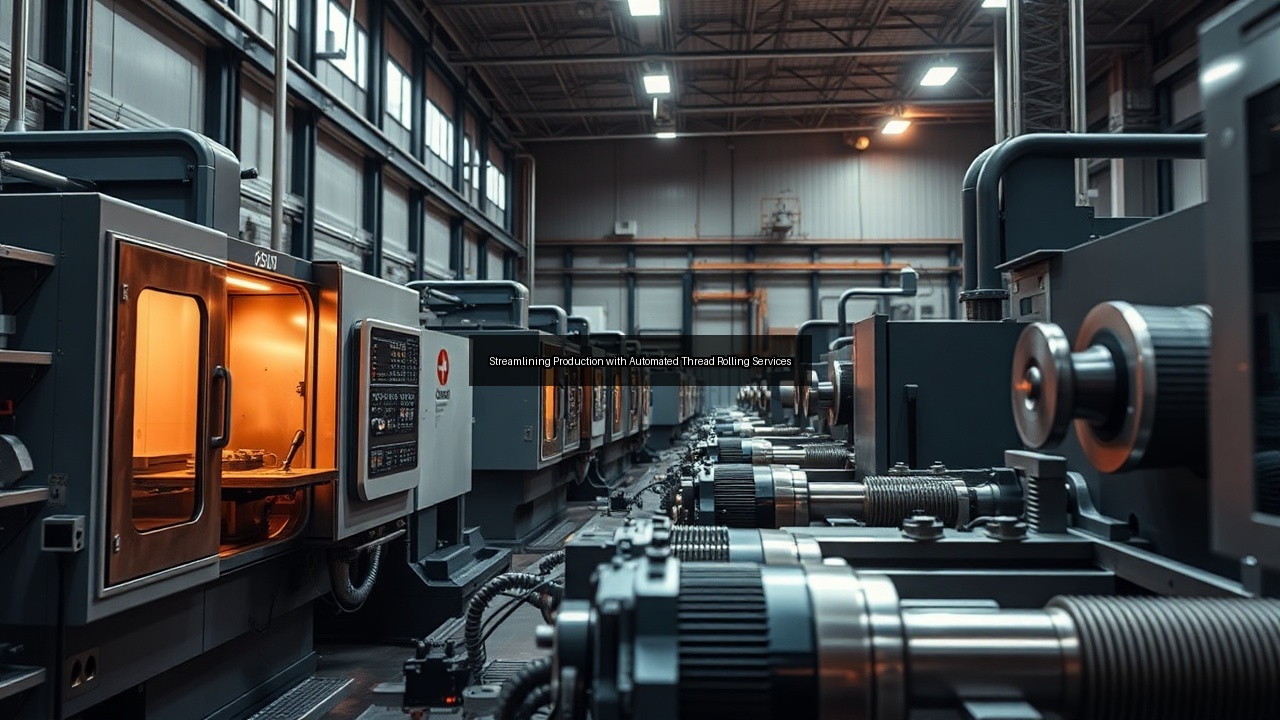
Thread rolling is a cold-forming manufacturing process that creates threads on metal components through the deformation of the material rather than cutting it away. This technique involves placing a metal workpiece between two dies that have the desired thread profile. As these dies rotate, they compress the metal and form threads by pushing the material into the shape of the die. This process not only enhances the strength of the threads but also improves surface finish and tolerances. Thread rolling is suitable for various materials, including steel, aluminum, and other metals, making it a versatile option in manufacturing.
Advantages of Thread Rolling over Traditional Methods
Thread rolling offers several advantages compared to traditional threading methods such as cutting or machining. Primarily, it results in stronger threads due to the work hardening effect of the rolling process. The absence of cutting tools minimizes waste, as no metal is removed, which leads to higher material utilization. Additionally, thread rolling produces threads with superior surface quality and tighter tolerances, enhancing the overall performance of the finished product. This method also boasts faster production rates, significantly reducing lead times for manufacturers. Furthermore, thread rolling minimizes the risk of defects and enhances the durability of components, making it an attractive choice for industries demanding high-quality fasteners.
Applications in Various Industries
Thread rolling services find applications across multiple industries, including automotive, aerospace, and electronics. In the automotive sector, manufacturers utilize thread rolling for producing bolts, screws, and other fasteners that require high strength and precision. The aerospace industry benefits from thread rolling due to its ability to create lightweight yet robust components critical for aircraft safety and performance. Additionally, the electronics industry employs thread rolling for connectors and other precision parts that necessitate reliable and durable threading. Overall, the versatility and efficiency of thread rolling make it an essential process in modern manufacturing.
Technological Innovations in Thread Rolling
CNC Machining and Its Impact on Thread Rolling
CNC (Computer Numerical Control) machining revolutionizes thread rolling services by providing enhanced precision and automation. CNC machines facilitate the creation of complex thread profiles that traditional methods cannot achieve. By programming specific parameters into the CNC system, manufacturers can produce consistent and repeatable results, significantly reducing the risk of human error. This technology allows for rapid adjustments, accommodating various production runs without extensive retooling. As a result, CNC machining streamlines the thread rolling process, making it more efficient and cost-effective for manufacturers, particularly when scaling production volumes.
Integration of EDM and Thread Rolling
Electrical Discharge Machining (EDM) complements thread rolling services by providing a method for creating intricate thread forms with high precision. EDM machining uses electrical discharges to erode material, facilitating the production of complex dies used in thread rolling. This integration allows manufacturers to create custom thread profiles tailored to specific applications, enhancing the versatility of thread rolling services. The combination of EDM and thread rolling results in improved accuracy and repeatability, making it an invaluable resource for industries requiring precise fasteners, such as aerospace and defense. The synergy between these technologies elevates the overall quality of the final products.
Advancements in Swiss Screw Machining
Swiss screw machining represents a significant advancement in the realm of thread rolling services. This technique excels in producing small, precise parts at high speeds, ideal for applications in medical devices, electronics, and automotive components. Swiss screw machines operate by using a sliding headstock that moves the material toward a fixed cutting tool, allowing for exceptional accuracy and efficiency. The incorporation of thread rolling capabilities into Swiss screw machines further enhances their utility, enabling manufacturers to produce high-quality threaded components in one integrated process. This technological fusion minimizes production time and maximizes productivity, establishing Swiss screw machining as a leading choice in modern manufacturing.
Industry-Specific Applications of Thread Rolling
Military and Aerospace Applications
Thread rolling services play a crucial role in the military and aerospace sectors, where precision and reliability are paramount. Fasteners used in aircraft and military vehicles must withstand extreme conditions, making the strength derived from the thread rolling process essential. Manufacturers often rely on thread rolling to produce bolts, screws, and other critical components that meet stringent safety standards. The enhanced fatigue resistance and improved surface finish provided by thread rolling contribute to the longevity and reliability of these fasteners, ensuring mission success in demanding environments. The ability to produce custom threads for specialized applications further solidifies thread rolling's importance in these industries.
Oil and Gas Industry Requirements
The oil and gas industry demands robust and reliable components capable of withstanding harsh environments. Thread rolling services meet these requirements by producing high-strength fasteners that resist corrosion and fatigue. The extreme pressure and temperature conditions encountered in drilling and extraction processes necessitate the use of durable threaded components. Thread rolling not only enhances the mechanical properties of these fasteners but also allows for the production of specialized threads that fit the unique specifications of oil and gas applications. Manufacturers in this sector increasingly adopt thread rolling services to ensure their fasteners perform reliably in critical operations.
Fastener Manufacturing and Inventory Management
Fastener manufacturing relies heavily on thread rolling services to produce a wide range of components, from standard screws to custom fasteners. The efficiency of thread rolling significantly reduces production costs and lead times, offering manufacturers a competitive edge in the market. Additionally, effective inventory management plays a vital role in fastener production. By utilizing automated systems to track inventory levels and production schedules, manufacturers can optimize their supply chain and respond swiftly to market demands. The combination of thread rolling's efficiency and robust inventory management practices ensures a steady flow of high-quality fasteners, meeting the needs of diverse industries.
Choosing the Right Thread Rolling Service Provider
Key Factors to Consider
Selecting the right thread rolling service provider requires careful consideration of several key factors. Experience and expertise in the industry are paramount, as they influence the quality and reliability of the finished products. Evaluate potential providers based on their range of capabilities, including the types of materials they can work with and the complexity of threads they can produce. Additionally, assess their production capacity to ensure they can meet your specific requirements, whether for high-volume runs or custom orders. Customer service and responsiveness also play a significant role in establishing a productive partnership with a thread rolling service provider.
Evaluating Manufacturers in Wisconsin
For businesses seeking thread rolling services, evaluating manufacturers in Wisconsin offers a strategic advantage. The state boasts a robust manufacturing industry, with many companies specializing in advanced machining and fabrication techniques. Researching local manufacturers allows businesses to find providers that understand regional market demands and can offer tailored solutions. Additionally, proximity to suppliers can reduce shipping costs and lead times. When assessing Wisconsin manufacturers, prioritize those with a proven track record in thread rolling and related services, as well as those that adhere to industry standards and best practices.
Importance of Quality Control and Certification
Quality control and certification are critical in the thread rolling services landscape. Manufacturers must adhere to stringent quality standards to ensure the reliability and performance of threaded components. Look for providers that implement comprehensive quality control measures throughout the production process, from raw material selection to final inspection. Certifications such as ISO 9001 indicate a commitment to maintaining high-quality standards and continuous improvement. Choosing a thread rolling service provider with robust quality control protocols and relevant certifications ensures that the fasteners produced meet or exceed industry requirements, ultimately contributing to the success of your projects.