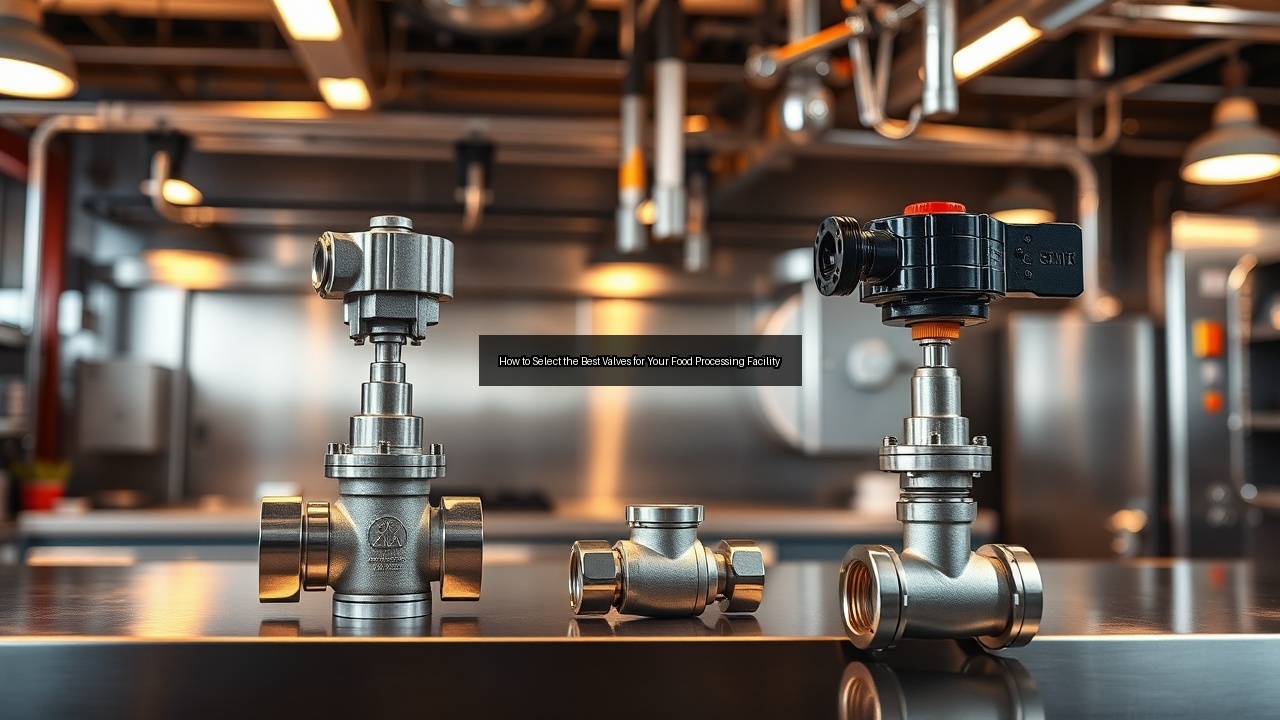
How to Select the Best Valves for Your Food Processing Facility
Understanding Valves for Food Processing
Importance of Valves in the Food Industry
Valves play a crucial role in the food processing industry, serving as the control points for fluid movement in various stages of production. Effective management of ingredients, additives, and other materials relies heavily on the proper functioning of valves. In food and beverage manufacturing, these devices ensure that products like baked goods, confectionery, and beverages meet safety and quality standards. By regulating flow rates, preventing backflow, and isolating sections of piping, valves maintain consistent valve for food processing operational efficiency and product integrity. The importance of selecting the right valves cannot be overstated; they directly impact the safety, quality, and reliability of food products. Any malfunction could lead to contamination, waste, or compromised product quality, highlighting the need for thorough consideration in valve selection.
Types of Valves Commonly Used in Food Processing
The food processing sector employs various types of valves tailored to specific applications. Control valves, for instance, are essential in automated systems, regulating the flow and pressure of liquids and gases. Ball valves, known for their durability and reliability, are widely used due to their ability to provide a tight seal and quick shut-off capabilities. Check valves prevent backflow, ensuring that fluids move in the desired direction without contamination. Safety relief valves are equally important, designed to release excess pressure and protect equipment from potential hazards. Understanding these valve types and their functionalities aids in making informed decisions that align with operational needs in the food processing industry.
Key Considerations in Selecting Valves
Sanitary Standards and FDA Compliance
When selecting valves for food processing, adherence to sanitary standards and FDA compliance is non-negotiable. The food and beverage industry must meet stringent regulations to ensure consumer safety. Valves should be designed and constructed from materials that do not harbor bacteria or contaminants. This requires compliance with standards such as the 3-A Sanitary Standards, which focus on the design and fabrication of equipment used in food processing. Valves must also be easy to clean and maintain, supporting proper hygiene practices. Ensuring FDA compliance not only safeguards public health but also protects companies from legal repercussions, making it essential to select valves that meet these rigorous standards.
Material Selection for Food Safety
The choice of materials used in valve construction significantly influences food safety. Stainless steel stands out as the preferred material in the food processing industry due to its corrosion resistance, durability, and ease of cleaning. For applications involving acidic or caustic substances, selecting materials that can valves used in food processing withstand these conditions is critical. Additionally, the use of food-grade elastomers for seals and gaskets prevents contamination and ensures the integrity of the food products. Understanding the specific requirements of each application, including the type of fluid being processed, temperature, and pressure, guides the selection of materials that uphold food safety standards.
Pressure and Temperature Ratings
Every valve comes with specified pressure and temperature ratings that dictate its operational limits. Choosing valves that can withstand the conditions of the food processing environment is vital for maintaining safety and functionality. High-pressure systems require valves that can handle the stress without failure, while temperature ratings must align with the processes involved, especially in applications such as sterilization or pasteurization. Failing to select valves with appropriate ratings can lead to equipment failure, product loss, or even safety hazards. Always evaluate the operational parameters of your facility and select valves that meet or exceed these requirements to ensure optimal performance.
Applications of Valves in Food Processing
Control Valves for Automated Systems
Control valves are indispensable in automated food processing systems. These valves regulate the flow of liquids and gases, allowing for precise control over production processes. In the beverage industry, for instance, control valves manage the mixing of ingredients, ensuring consistent product quality. Automated systems enhance efficiency and reduce human error, making control valves vital for maintaining operational standards. As industries increasingly adopt automation, investing in high-quality control valves that offer accuracy and reliability becomes essential. Properly selected control valves contribute to streamlined processes, reduced waste, and improved overall efficiency in food production.
Check Valves in Beverage Applications
Check valves serve a critical function in beverage applications by preventing backflow and ensuring that liquids flow in one direction. This is particularly important in systems where contamination valves food processing applications could compromise product safety. For example, in the production of soft drinks and juices, check valves protect the integrity of the product by preventing the reverse flow of potentially contaminated fluids. These valves help maintain the quality and safety of beverages while ensuring compliance with industry standards. In addition, they contribute to operational efficiency by reducing the risk of equipment damage from backpressure. Selecting reliable check valves is essential for any beverage processing facility aiming to uphold high standards.
Safety Relief Valves for Risk Management
Safety relief valves play a vital role in risk management within food processing facilities. These valves protect equipment and personnel by releasing excess pressure that could lead to dangerous situations. In environments where high-pressure systems are common, such as those used in pasteurization or cooking processes, safety relief valves prevent catastrophic failures. Proper installation and regular maintenance of these valves ensure they function correctly when needed. Implementing a strategy for monitoring and testing safety relief valves is crucial for minimizing risks and maintaining a safe production environment.
Best Practices for Valve Maintenance
Regular Inspection and Testing
Regular inspection and testing of valves are critical to ensuring their reliability and performance in food processing applications. Scheduled maintenance checks help identify wear and tear, leaks, or any food processing valve signs of malfunction before they lead to costly downtime or safety hazards. Establishing a maintenance schedule based on the manufacturer's recommendations and industry best practices ensures that valves operate at peak efficiency. Additionally, documenting inspections provides valuable insights into valve performance over time, aiding in decision-making for replacements or upgrades. Consistent maintenance is not just a best practice; it’s a proactive approach to safeguarding product quality and operational integrity.
Cleaning Protocols for Sanitary Valves
Cleaning protocols are essential for maintaining sanitary conditions in food processing facilities. Valves must be cleaned regularly to prevent the buildup of contaminants that could compromise food safety. Establishing a cleaning schedule that aligns with production cycles ensures that valves remain free from residue or microbial growth. Utilizing approved cleaning agents and methods that comply with industry standards protects both the equipment and the products. Training staff on proper cleaning techniques and the importance of hygiene in valve maintenance fosters a culture of safety and compliance within the facility.
Resources for Valve Selection and Maintenance
Accessing the right resources simplifies the process of valve selection and maintenance. Numerous manufacturers provide detailed specifications, installation guides, and maintenance manuals to assist in choosing the appropriate valves for specific applications. Online platforms, industry associations, and regulatory bodies also offer valuable insights into compliance standards and best practices. Engaging with experts in the field can provide tailored advice based on individual facility needs. Leveraging these resources maximizes the effectiveness of valve systems and contributes to overall operational success in the food processing industry.