How to Optimize Your Inventory with the Right Flux Oven Setup

Understanding Flux Ovens and Their Importance
What is a Flux Oven?
Flux ovens serve as specialized heating units designed to maintain welding flux at optimal temperatures, ensuring its quality and effectiveness during industrial applications. These ovens, often compact and robust, preheat and store flux materials used in welding processes, preventing moisture absorption that could compromise weld integrity. Manufacturers build flux ovens with insulated boxes to hold steady heat, typically ranging from ambient to high temperatures like 550F, powered by efficient heating elements measured in watts. In welding environments, a flux oven acts like a guardian for the flux, keeping it dry and ready for immediate use with submerged arc welding electrodes or wire feeds. Variations in flux oven designs include portable carts for mobility around the shop floor or stationary units integrated with larger welding machines. Understanding flux heating fundamentals reveals why these ovens matter: flux, a granular compound that shields the weld pool from atmospheric contamination, demands precise temperature control to avoid degradation. Without a proper flux oven, welders face issues like porosity or weak joints, leading to costly rework. Top brands engineer their flux ovens with durable materials, such as stainless steel interiors, to withstand the rigors of daily use in heavy-duty settings. For inventory optimization, selecting a flux oven that matches your operation's scale—whether handling 100 lb or 200 lb batches—directly impacts efficiency. Diesel-powered options exist for remote sites, but electric models dominate for their reliability and lower maintenance. Overall, a flux oven transforms raw flux storage into a streamlined process, supporting welders in producing high-quality seams across industries like shipbuilding and pipeline construction.
Key Applications in Welding
Welding professionals rely on flux ovens in submerged arc welding (SAW), where flux envelops the electrode and wire to create a protective barrier during the arc process. This setup generates deep penetration welds ideal for thick plates in structural steel fabrication, pressure vessels, and heavy machinery. Flux ovens ensure the flux remains at the right temperature, typically between 200F and 550F, to flow smoothly and cover the weld area completely, minimizing defects like inclusions or cracks. In pipe welding, for instance, a well-maintained flux oven allows welders to preload flux into the machine's hopper, reducing downtime and enhancing productivity on long seams. Submerged arc welding thrives in automated lines, where flux ovens integrate with tractors or manipulators for continuous operation. Beyond SAW, flux ovens support other processes like electroslag welding, though less common, by preheating flux to improve slag formation and metal transfer. Manufacturers like Gullco offer flux oven variations tailored for these applications, including models with carts for easy transport between workstations. The heating precision in these ovens prevents flux from clumping, which could disrupt wire feed rates and cause uneven welds. In shipyards or earth-moving equipment production, where inventory turnover is high, flux ovens optimize flux usage by extending shelf life, cutting waste from spoiled batches. Welders appreciate how a reliable flux oven setup syncs with their workflow, allowing focus on the weld rather than material prep. Engineering teams specify flux ovens based on power needs, from low-wattage units for small shops to high-capacity ones for large-scale projects, ensuring seamless integration with existing welding machines.
How Flux Ovens Improve Inventory Management
Flux ovens revolutionize inventory management by preserving flux quality, reducing waste, and streamlining storage in welding operations. Traditional open-air storage exposes flux to humidity, leading to moisture pickup that renders it unusable and inflates costs through frequent replacements. A dedicated flux oven maintains consistent temperature, often up to 550F, in a sealed environment, allowing bulk storage of 100 lb or 200 lb quantities without degradation. This capability cuts down on ordering frequency, freeing up warehouse space for other essentials like electrodes and welding wire. In high-volume settings, such as fabrication shops handling submerged arc welding, flux ovens enable just-in-time inventory practices, where preheated flux sits ready in the oven cart, minimizing lead times between jobs. Manufacturers design these ovens with digital controls for tracking usage, integrating with inventory software to alert teams when stocks dip below thresholds. Variations like portable flux ovens on wheels facilitate movement across the floor, preventing bottlenecks at fixed stations. By optimizing flux heating, these units extend material lifespan—dry flux lasts months instead of weeks—directly boosting bottom-line savings. Welders benefit from reliable supply, focusing on productive welding rather than scrambling for dry flux. For diesel-powered sites or remote engineering projects on earth-moving equipment, rugged flux oven models ensure inventory integrity despite challenging conditions. Brands emphasize energy-efficient heating to lower operational costs, while feedback systems monitor temperature fluctuations for proactive adjustments. Ultimately, incorporating a flux oven into your setup transforms chaotic stockrooms into efficient hubs, supporting scalable growth without excess capital tied up in spoiled inventory.
Choosing the Right Flux Oven Setup
Factors to Consider When Selecting an Oven
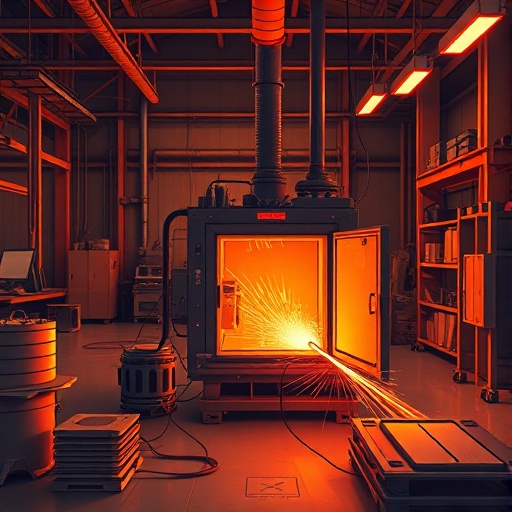
Select a flux oven by evaluating your welding demands, space constraints, and budget to ensure it aligns with operational goals. Start with capacity needs: a 100 lb oven suits small to medium shops, while 200 lb models handle high-throughput environments like pipeline welding. Temperature range matters too—aim for units reaching 550F to cover all flux types, including those for submerged arc welding that require precise heating to avoid baking out additives. Power source plays a role; electric ovens with variable watts offer consistent performance in standard shops, but diesel variants provide flexibility for field work on earth-moving projects. Portability via carts enhances usability in dynamic settings, allowing welders to position the oven near welding machines without interrupting workflow. Insulation quality determines energy efficiency—look for double-walled boxes with high R-value to maintain heat and reduce utility bills. Controls should include digital readouts for accurate flux heating, preventing over-drying that could alter flux chemistry. Consider integration with automation: ovens compatible with feedback loops adjust temperatures automatically, optimizing for different electrode wires. Brands like Gullco stand out for durable engineering, but compare manufacturers on warranties and service networks. Safety features, such as overheat protection and sturdy doors, safeguard inventory from mishaps. For inventory management, choose ovens with stackable designs to maximize vertical space. Related searches on flux oven variations highlight options like benchtop versus floor-standing models—pick based on your team's height and ergonomics. Weigh long-term ROI: a robust flux oven minimizes downtime, preserves flux quality, and supports welder productivity across diverse applications.
Evaluating Oven Capacity: 100 lb vs 200 lb
Compare 100 lb and 200 lb flux ovens to match your inventory scale and welding volume for optimal performance. A 100 lb capacity flux oven excels in smaller operations, like repair shops or prototype engineering, where flux usage stays moderate—think a few submerged arc welds per shift. These compact units fit easily on a cart, saving floor space while heating flux to 550F efficiently with lower wattage demands, ideal for limited power setups. They preheat quickly, reducing wait times for welders starting jobs with fresh electrodes or wire. However, frequent refills interrupt workflow in busier environments, potentially straining inventory if flux arrives in bulk. Shift to a 200 lb flux oven for high-production lines, such as shipbuilding or structural steel fabrication, where submerged arc welding consumes large flux quantities daily. This size holds more material, minimizing openings that introduce moisture and extending preheat cycles for uninterrupted operation. Larger ovens often feature advanced heating elements for uniform temperature distribution, crucial for consistent weld quality across long seams. Portability remains viable with wheeled carts, though they demand more robust engineering to handle the weight. Energy-wise, 200 lb models might draw higher watts but offer better per-pound efficiency over time. For inventory optimization, the 200 lb option reduces ordering cycles, tying up less capital in transit stock. Variations include hybrid designs blending capacities, but pure 100 lb suits agile teams, while 200 lb supports scaling. Brands like Gullco provide both, with feedback on user needs driving selections. Diesel-powered large ovens suit remote sites, ensuring flux stays viable amid earth challenges. Evaluate based on your daily flux throughput to avoid under- or over-capacity pitfalls.
Understanding Temperature Controls Up to 550F
Master temperature controls in flux ovens up to 550F to safeguard flux integrity and elevate welding outcomes. Precise regulation prevents moisture in flux, which causes spatter or weak welds in submerged arc processes. Digital thermostats allow settings from 150F for storage to 550F for aggressive drying, accommodating various flux brands with differing activation points. Heating elements, rated in watts, distribute warmth evenly inside the insulated box, avoiding hot spots that degrade flux particles. Feedback systems monitor and adjust in real-time, compensating for door openings or ambient changes in the welding shop. For electrode welding, maintain 250F to keep flux flowable without volatilizing binders; higher temps suit heavy-duty wire applications. Manufacturers engineer controls with safety interlocks, shutting down if temps exceed limits to protect inventory. Portable cart models retain heat better with thick insulation, supporting mobile use near welding machines. Understanding flux heating curves—how temperature affects viscosity—helps dial in ideal settings for your specific weld setups. Variations in flux oven controls include manual dials for basic needs or programmable timers for automated cycles, reducing welder intervention. In diesel environments or earth engineering projects, robust controls withstand vibrations. Integrate with inventory software for logging heat exposure, predicting flux shelf life. Common related searches on welding flux ovens stress calibration: annual checks ensure accuracy, preventing underheating that leads to poor arc stability. Brands like Gullco offer intuitive interfaces, making adjustments straightforward for teams. Prioritize ovens with visible displays and alarms for proactive management, turning temperature control into a tool for efficiency and quality welds.
Optimizing Your Flux Oven for Efficiency
Automation in Flux Ovens: Enhancing Performance
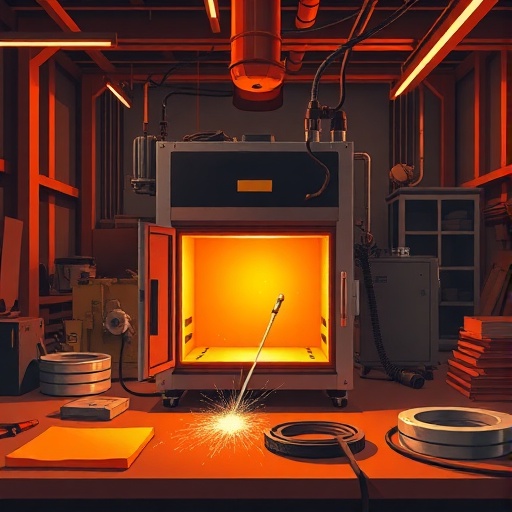
Automation in flux ovens boosts performance by minimizing manual tasks and ensuring consistent flux heating for superior welding results. Integrated sensors automate temperature ramps, holding flux at 550F precisely without constant oversight, freeing welders for core duties like submerged arc seam runs. Robotic arms or conveyor feeds link ovens to welding machines, delivering preheated flux directly to hoppers and slashing downtime. In high-volume shops, automated flux ovens with programmable cycles preheat 200 lb loads overnight, syncing with shift starts. This setup optimizes inventory flow, as flux moves seamlessly from storage to use, reducing exposure to shop humidity. Manufacturers incorporate PLC controls for custom automation, adapting to wire feed rates or electrode types. Portable cart versions with wireless automation allow remote monitoring via apps, ideal for spread-out facilities. Feedback loops detect flux levels and trigger refills, preventing empty runs that halt production. Diesel-powered automated ovens suit field welding on earth-moving gear, where reliability trumps complexity. Variations include semi-automated models for budget-conscious teams, adding basic timers to manual units. Brands like Gullco pioneer automation features, enhancing weld quality by stabilizing flux properties. For inventory management, automation logs usage data, forecasting needs and curbing overstock. Welders report fewer defects, as automated heating preserves flux's shielding efficacy. Engineering teams customize integrations, like tying ovens to welding tractors for linear workflows. Embrace automation to transform flux ovens from passive heaters into active efficiency drivers, elevating overall shop throughput and weld integrity.
Integrating Feedback Systems for Better Heating
Integrate feedback systems into flux ovens to achieve superior heating uniformity, directly improving flux quality and welding precision. These systems use thermocouples to monitor internal temperatures in real-time, adjusting heating elements—measured in watts—to counteract fluctuations from frequent access or environmental shifts. In submerged arc welding, consistent 550F heating ensures flux flows evenly around the wire and electrode, producing clean, strong welds without slag inclusions. Feedback prevents overheating, which could bake out essential alloys, preserving inventory value. Manufacturers embed PID controllers for responsive adjustments, maintaining set points within 5F accuracy across 100 lb or 200 lb capacities. Portable ovens on carts benefit from compact sensors, enabling mobile feedback without wiring hassles. For diesel setups in remote earth projects, rugged feedback hardware withstands dust and vibrations. Variations in flux oven feedback include basic on-off versus advanced proportional controls—the latter offers finer tuning for specialized fluxes. Brands like Gullco integrate seamless feedback with user interfaces, displaying trends for proactive tweaks. Tie systems to inventory trackers, alerting when flux exceeds safe heat exposure limits. Welders gain confidence from reliable performance, reducing trial-and-error in setups. Engineering flux heating with feedback cuts energy waste by 20-30%, as power cycles efficiently. Address related searches on flux oven variations by noting hybrid systems combining feedback with humidity sensors for comprehensive control. In welding machines, synchronized feedback optimizes arc stability, minimizing defects. Deploy these integrations to elevate your flux oven from a simple box to a smart heating solution, streamlining operations and enhancing weld outcomes.
Selecting the Right Brands: Gullco and Others
Select flux oven brands like Gullco for proven reliability, but explore others to find the best fit for your welding needs and inventory strategy. Gullco stands out with engineered ovens featuring robust heating up to 550F, ideal for submerged arc welding in demanding sectors like oil and gas. Their models, from 100 lb portable carts to 200 lb stationary units, incorporate automation and feedback for precise flux control, minimizing waste and boosting efficiency. Other manufacturers offer competitive options: Lincoln Electric provides versatile flux ovens with high-wattage elements for quick preheats, suiting high-throughput shops. ESAB excels in integrated systems, linking ovens to their welding machines for seamless wire and electrode handling. For budget picks, Smith Equipment delivers durable, no-frills boxes that handle basic flux heating reliably. Compare on factors like warranty—Gullco's five-year coverage edges out many—and service availability, crucial for minimizing downtime. Diesel variants from brands like Miller suit field applications on earth-moving projects. Variations in brand offerings include Gullco's customizable carts for mobility versus fixed ovens from Böhler Welding for permanent installs. User reviews highlight Gullco's intuitive controls, easing training for welders. For inventory optimization, choose brands with scalable lines to grow with your operation. Related searches on welding flux ovens often praise Gullco for innovation, like energy-efficient designs reducing watts usage. Evaluate demos or trials to assess build quality—look for stainless interiors resisting corrosion. Pair with complementary products from the same brand for unified maintenance. Ultimately, Gullco and peers empower efficient flux management, ensuring your welds stay strong and your stockpile lean.
Maintenance and Best Practices for Flux Ovens
Routine Maintenance Tips for Longevity
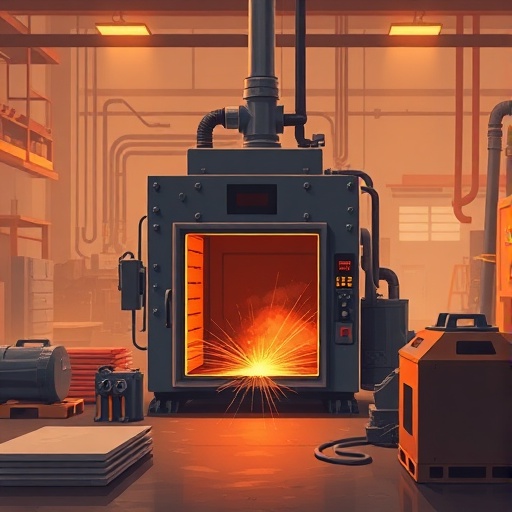
Perform routine maintenance on flux ovens to extend lifespan and maintain peak performance in welding environments. Weekly checks involve inspecting heating elements for wear, ensuring even wattage distribution to avoid flux hotspots up to 550F. Clean interiors with a soft brush to remove flux residue, preventing buildup that clogs airflow in submerged arc setups. Verify door seals quarterly; replace if cracked to sustain insulation and temperature stability for 100 lb or 200 lb loads. Lubricate cart wheels monthly for smooth mobility around the shop, reducing strain on portable models. Calibrate thermostats annually with a professional meter, confirming accurate flux heating cycles. For diesel-powered ovens, change fuel filters bi-annually to prevent engine issues in remote earth projects. Monitor electrical connections for corrosion, tightening as needed to safeguard against power surges. Brands like Gullco recommend logging maintenance in a digital tracker, integrating with inventory systems for reminders. Variations in flux oven care include vacuuming vents in dusty welding areas to optimize feedback systems. Train teams to power down units properly, avoiding thermal shock to components. Address related searches on flux oven maintenance by emphasizing preventive wipes with non-abrasive cleaners, preserving the box's integrity. In high-use scenarios, inspect wiring for fraying near welding machines. These steps cut repair costs by 40%, ensuring consistent flux quality for electrodes and wire. Adopt a schedule: daily visual scans, weekly deep cleans, and seasonal overhauls. Proactive care keeps your flux oven running efficiently, supporting uninterrupted welds and lean inventory practices.
Common Issues with Flux Ovens and Solutions
Tackle common flux oven issues head-on to keep welding operations smooth and inventory secure. Overheating beyond 550F often stems from faulty thermostats; solution: recalibrate or replace sensors promptly to protect flux from degradation in submerged arc processes. Uneven heating in 200 lb units arises from clogged vents—clean thoroughly and balance wattage across elements for uniform flux preparation. Door seal failures let in moisture, spoiling stock; inspect and reseal with manufacturer kits, especially on cart models used near humid welding areas. Electrical glitches, like tripped breakers, disrupt power—check fuses and groundings regularly, particularly in diesel-hybrid setups for earth projects. Feedback system errors cause temperature swings; reset controllers or update firmware from brands like Gullco for reliable performance. Flux clumping inside indicates underheating—bump to 300F cycles and stir batches manually if needed. Variations in issues include vibration damage on portable ovens—secure mounts to prevent loosening. Related searches on welding flux ovens highlight moisture ingress as top culprit; use silica packs as backups. For inventory impact, quick fixes like these prevent batch losses, maintaining flux viability for wire and electrode use. Manufacturers offer troubleshooting guides; consult for model-specific advice. In severe cases, professional servicing every two years averts breakdowns. Welders should report anomalies immediately, fostering a culture of vigilance. By addressing these proactively, you minimize downtime, ensure quality welds, and optimize flux storage efficiency across your setup.
Training Your Team for Optimal Use
Train your welding team on flux oven use to maximize efficiency, safety, and inventory benefits. Begin with hands-on sessions covering setup: loading 100 lb or 200 lb flux into the oven box without spills, setting temperatures up to 550F for specific processes like submerged arc welding. Teach monitoring via feedback displays, emphasizing adjustments for flux heating variations to match electrode or wire types. Cover safety protocols—gloves for hot doors, no overloading carts to prevent tip-overs in shop traffic. Simulate scenarios: handling diesel models in field conditions or integrating ovens with automation for seamless workflows. Brands like Gullco provide training modules; incorporate their videos for brand-specific tips on maintenance and troubleshooting. Address related searches on flux oven training by including flux handling best practices, like avoiding contamination during transfers to welding machines. Role-play common issues, such as responding to temperature alarms, to build quick reflexes. For inventory focus, instruct on logging usage to track consumption and reorder points. Quarterly refreshers keep skills sharp, especially for new hires joining earth engineering teams. Encourage certification in oven operation, tying it to welder performance metrics. Variations in training include virtual simulations for remote access or on-site demos for portable units. This investment reduces errors, like improper preheating leading to weld defects, and empowers teams to optimize flux throughout the chain. Result: a proficient crew that leverages flux ovens for higher productivity, stronger seams, and streamlined stock management.